
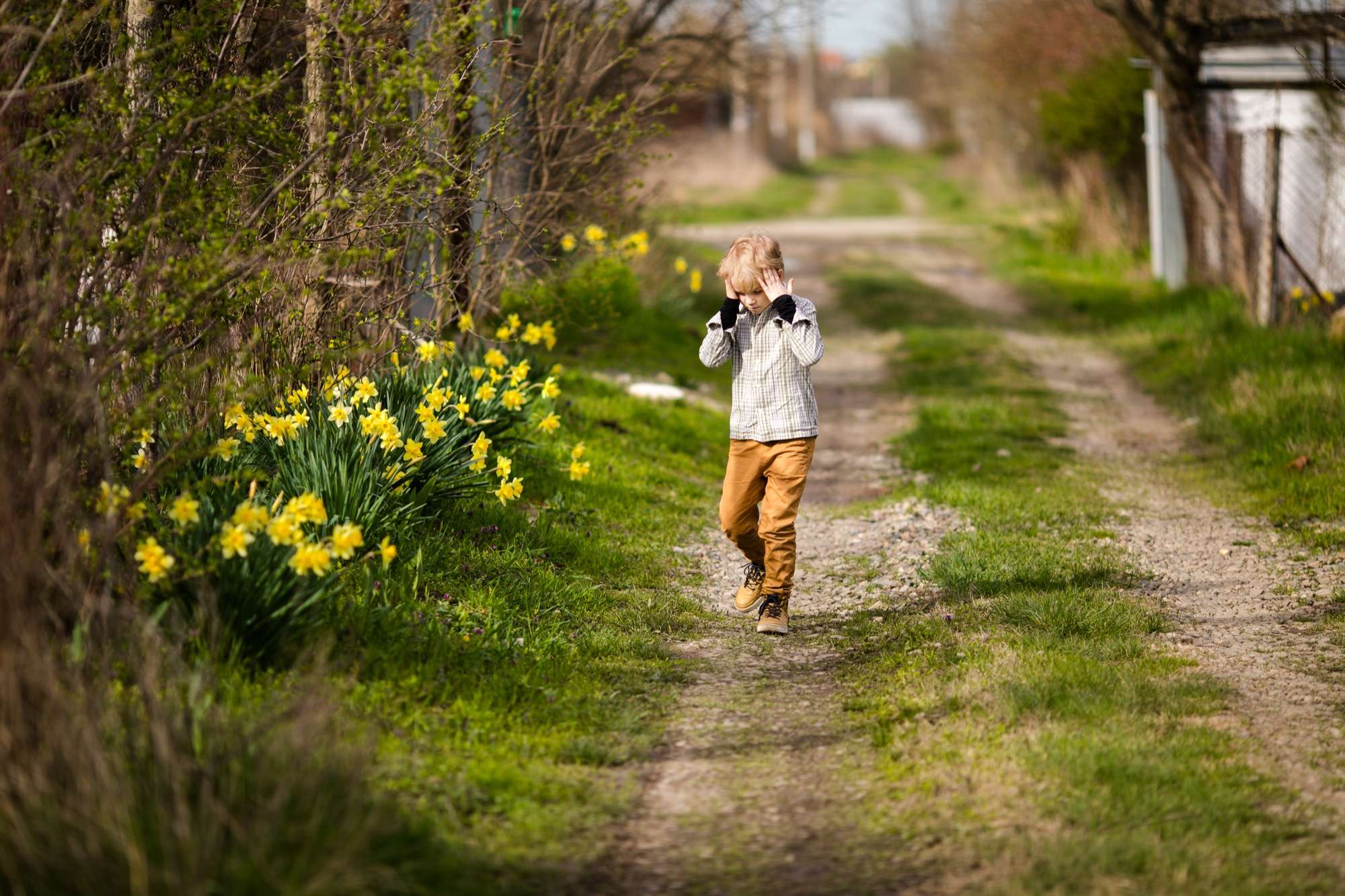
Elopement, also known as wandering or bolting, is a serious safety concern for many families of children with autism spectrum disorder (ASD). Elopement refers to a child leaving a safe area or supervised setting unexpectedly, often without notice and sometimes traveling significant distances. While all children may wander at times, elopement in autistic children tends to be more frequent, impulsive, and dangerous, creating significant stress for families and educators. Understanding why elopement occurs and how to address it can make a crucial difference in keeping children safe and supporting their independence.
What Is Elopement Behavior?
Elopement behavior describes instances when a child intentionally or impulsively leaves a safe area without permission or supervision. For children with autism, this might mean running away from home, school, the playground, or community settings. Elopement isn’t simply “misbehavior” or a child testing boundaries—it often serves a specific function for the child, such as escaping an overwhelming situation, seeking out a preferred item or activity, or exploring the environment.
Children with autism may elope due to sensory sensitivities, difficulty communicating needs, strong impulses, or curiosity about something they see or hear in the distance. In some cases, they may not recognize or appreciate potential dangers, such as busy streets, water, or unfamiliar locations.
How Common Is Elopement in Autism?
Research has found that nearly half of children with autism will attempt to elope at least once after age four, and many do so repeatedly. Elopement can occur across a range of functioning levels and ages, with the most common incidents happening between the ages of four and seven. Children who elope may do so quickly and silently, making prevention especially challenging.
Why Do Children With Autism Elope?
Understanding the reasons behind elopement is critical for prevention. Common motivations include:
Sensory Overload or Escape: Some children elope to get away from loud noises, crowds, or overwhelming environments.
Seeking Sensory Input: Others wander in search of sensations they find soothing or stimulating, such as water, lights, or movement.
Desire for a Preferred Object or Place: Elopement may be driven by a strong attraction to a particular place (like a park or pool) or item (such as trains, playground equipment, or animals).
Curiosity and Exploration: A child may bolt out of curiosity, especially if they are highly visual or drawn to something interesting in the environment.
Communication Difficulties: Some children elope because they cannot express their needs or discomfort in other ways, or to avoid demands they find stressful.
Risks Associated With Elopement
Elopement poses significant safety risks, including exposure to traffic, water hazards, unfamiliar environments, and even abduction. Children with autism may have limited understanding of danger, be less responsive to their name, or lack the skills to seek help from strangers. This can increase the risk of injury, getting lost, or being unable to return home independently.
Identifying Triggers and Patterns
Careful observation and data collection can reveal patterns and triggers that lead to elopement. Families and educators should document:
Where and when elopement occurs (time, place, activity)
What happened just before the child eloped (noise, demand, transition)
How the child was found or returned
The child’s mood and physical state before and after the incident
Identifying these patterns makes it possible to address underlying causes and predict when elopement is most likely to occur.
Prevention Strategies for Elopement
Preventing elopement requires a combination of environmental modifications, teaching new skills, and increasing supervision. Effective strategies include:
Securing Exits: Install locks, alarms, or chimes on doors and windows at home or in classrooms. Consider fences or gates where possible.
Supervision: Increase supervision during high-risk times, such as transitions or outings.
Visual Supports: Use stop signs, boundary markers, or social stories to teach safe boundaries and expected behaviors.
Communication Supports: Provide children with alternative ways to communicate needs, discomfort, or requests for breaks.
Practice Safety Skills: Teach children how to respond to their name, recognize safe adults, and identify important landmarks.
Alert Neighbors and Community: Inform trusted neighbors, local police, or school staff about your child’s needs and provide contact information and a recent photo.
GPS or ID Tracking: Consider using a medical ID bracelet, shoe tag, or GPS tracker to help locate the child quickly if they wander.
Teaching Safety and Response Skills
Building safety awareness is an ongoing process. Practice skills such as:
Responding to their name, both indoors and outdoors
Walking safely near roads and water
Identifying safe adults and knowing how to ask for help
Memorizing or carrying address and phone number information
For non-verbal children, teach them to present an ID card or use a communication device to request help if they are lost.
What to Do If a Child Elopes
Despite best efforts, elopement may still occur. Having a plan in place helps ensure a swift, effective response:
Act Immediately: Search familiar hiding spots and surrounding areas first, calling out the child’s name.
Enlist Help: Contact neighbors, security staff, or police and provide a clear description, recent photo, and information about favorite places.
Search High-Risk Areas: Water, traffic, parks, playgrounds, and other places that attract your child.
Stay Calm and Communicate: Once found, reassure the child and assess their physical and emotional state. Avoid punishment, as this can increase anxiety or future attempts.
Real-World Example
Six-year-old Lucas has autism and loves water. One afternoon, his mother steps into the kitchen, and within moments, Lucas quietly leaves the house and heads toward a nearby creek. Thanks to a door alarm, his mother is alerted and quickly finds him before he reaches the water. Afterward, the family works with their ABA therapist to use social stories and practice stopping at the front door. Lucas wears a bracelet with his name and address, and the neighborhood is notified to watch for him. Over time, Lucas learns to ask for outdoor time and to respond to his mother’s prompts, reducing his elopement risk.
Collaborating With Professionals
ABA therapists, school teams, and other professionals can support families by:
Conducting Functional Behavior Assessments (FBA) to determine why elopement occurs
Developing individualized Behavior Intervention Plans (BIP) targeting elopement
Teaching alternative behaviors and reinforcing safe choices
Training staff and caregivers in supervision and response protocols
Resources for Families
Local autism organizations or support groups
Project Lifesaver and similar ID/GPS programs
First responder registries for special needs
Social stories, safety curricula, and personalized visual supports
Proactive Steps for Safety and Peace of Mind
Elopement is a complex challenge, but with understanding, preparation, and teamwork, families and professionals can greatly reduce the risks. By identifying triggers, teaching safety skills, modifying environments, and collaborating closely, it’s possible to keep children safe while supporting their desire for independence and exploration. Early intervention and consistent communication are key to providing peace of mind and empowering children with autism to navigate the world safely.

