
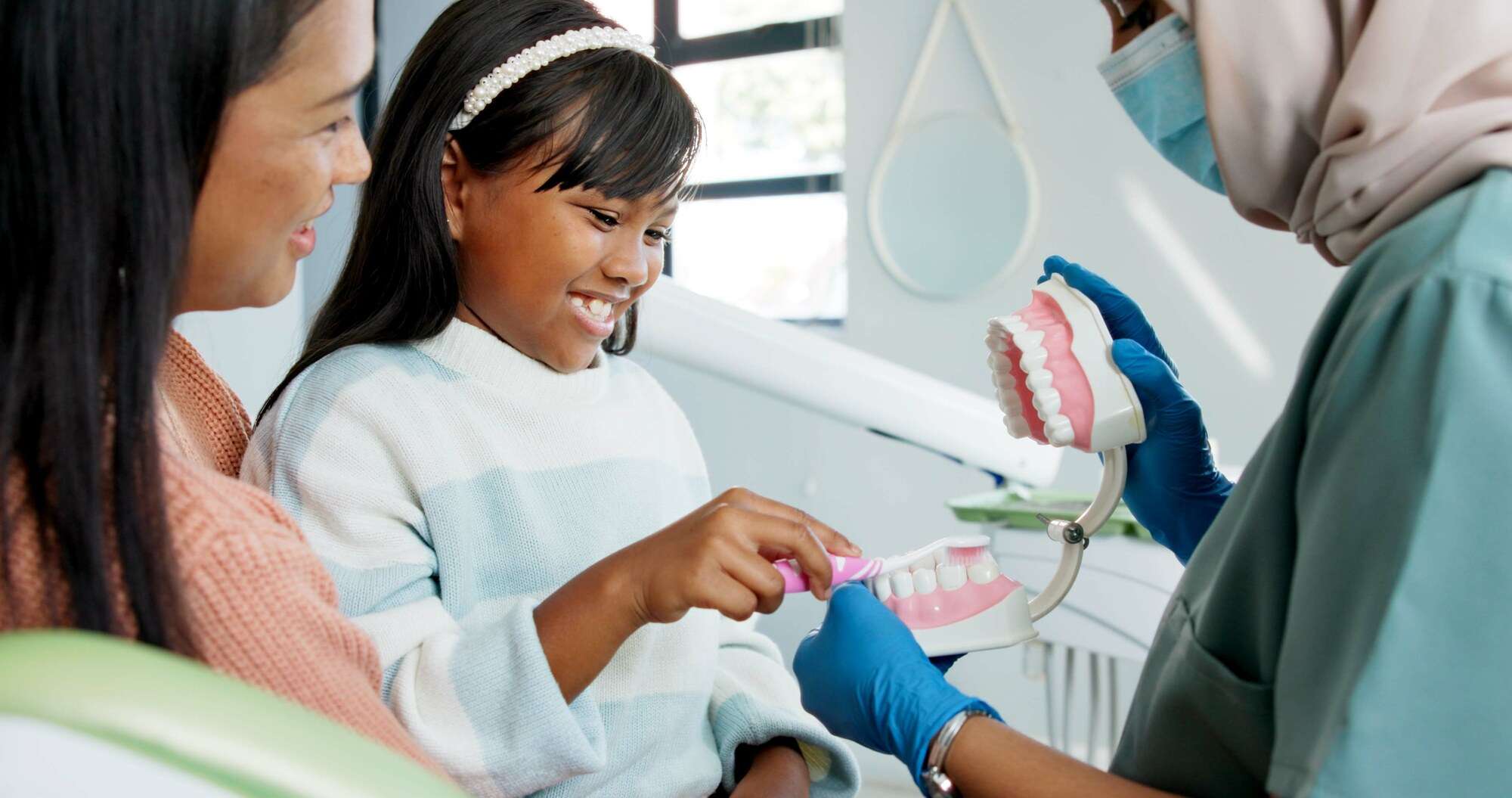
You may already know which part of a dental visit worries your child. Perhaps it is walking into an unfamiliar building, hearing equipment start, or not knowing when someone will touch their mouth. If you are unsure, that is useful information to bring to the dental team too.
Preparing an autistic child for the dentist means making care more understandable and accessible. Start by identifying any immediate dental concerns, giving your child a dependable way to communicate, and asking the office to plan around the parts that are difficult. Home practice can support that plan, but your child does not have to master a set of skills before receiving care.
The most useful preparation addresses your child’s experience. You can work toward necessary treatment while helping the adults around your child recognize discomfort, explain changes, and respond to requests for support.
Decide what dental care your child needs now
Before planning practice activities, tell the dentist why you are arranging the visit. A routine checkup, a painful tooth, and unfinished treatment may require different next steps. The dentist should determine how soon assessment or treatment is needed and whether there is time for an introductory appointment.
Contact a dentist promptly about tooth pain, an injury, or new trouble chewing. Facial swelling, fever alongside dental symptoms, or suspected infection require urgent assessment. Difficulty breathing or swallowing, or substantial swelling inside the mouth, warrants emergency care. Do not wait for a child to become comfortable with dental practice before seeking help.
Changes in eating, sleep, or behavior can be worth reporting even when your child cannot explain what hurts. Those changes do not establish that a tooth is the cause. Describe what you have noticed and let a clinician assess it.
For routine care, ask what the office wants to accomplish and what can be adjusted. Understanding that purpose helps you prepare your child honestly and gives everyone a starting point if the original plan becomes difficult.
Give your child a way to guide the visit
Communication deserves attention before practicing how to sit in a dental chair. Your child needs ways to ask questions, express discomfort, and request a pause, including when speaking is difficult or their mouth is occupied.
Explain how your child usually says yes, no, help, and hurt. Include signals adults might overlook. Moving away, becoming unusually quiet, or no longer responding can be reasons to check in; none should automatically be interpreted as comfort or agreement.
Make a pause signal usable
Choose a signal with your child and the dental team. It could be a hand movement, a picture, or a familiar message on their communication device. A signal that works during conversation may be harder to use while reclining, so discuss access before treatment begins.
Ask the clinician what will happen after the signal, including how equipment will be removed safely. During a comfortable activity at home, you can practice responding when your child asks for a pause. Avoid turning the signal into another test your child must pass. Distress matters even when the signal is incomplete or unfamiliar adults miss it.
Keep checking willingness and understanding
Assent means involving your child in care and attending to their willingness to participate. Ask the dental team to address your child directly, explain the immediate next step, and allow time to respond. Offer genuine choices where possible, such as whether to hear an explanation again.
Parent consent and a child’s ongoing experience both deserve attention. If your child is distressed and necessary care cannot proceed, the dentist should reassess the approach and urgency with you. A reassuring promise to “be brave” cannot resolve a communication barrier or possible pain.
Match dental preparation to the hardest part
The same appointment can be difficult for different reasons. One child may enter happily but struggle when a second person begins talking. Another may be comfortable with toothbrushing yet find an unfamiliar room overwhelming. Focusing on a particular barrier makes preparation easier to discuss and evaluate.
When getting into the office is difficult
Think about where the difficulty starts. Does your child become upset when the appointment is mentioned, during the journey, at the entrance, or while waiting? Share that sequence without labeling the whole visit a refusal.
For example, if an unpredictable wait is the main concern, ask how the office handles delays and whether a quieter waiting arrangement is possible. If the building itself is unfamiliar, a photograph of its entrance may be a more relevant starting point than repeatedly practicing mouth opening.
An introductory visit may help some families learn about the setting. Ask what it includes, whether there is a fee, and how needed care will follow. Repeated introductory visits should not leave necessary treatment without a plan.
When your child does not know what will happen
Request accurate information from the office before making a picture sequence or short explanation. Include only steps the team expects to use, and leave room to explain changes. A simple sequence can show checking in, meeting the clinician, having teeth examined, taking a break, and leaving.
Your child may want an answer to a particular question: who will be in the room, whether the chair moves, or where a caregiver will sit. Build the preparation around that question. You do not need a long story about every possible dental procedure.
Use concrete descriptions without promising that the visit will be painless or finish at an exact time. When something is uncertain, it is reasonable to say that you will ask the dentist together.
When sensations are the main concern
Describe the particular sensation rather than requesting a generic “autism-friendly” setup. The concern may be overhead light, a flavored product, the sound of suction, unexpected chair movement, or several things occurring together.
Ask about changes such as reducing unnecessary room noise, suitable eye protection, or explaining a sound before starting it. The clinician needs adequate visibility and safe working conditions. If headphones are considered, agree on how your child will receive explanations and communicate while using them.
Research suggests that sensory adaptations can reduce distress for some autistic children during routine dental cleanings. It does not establish a universal combination of equipment or show that every procedure becomes comfortable. Your child’s response should guide which adjustments stay in the plan.
Plan a dental appointment the team can adapt
A useful planning conversation gives the office specific information and gives you a realistic picture of its approach. Ask how the team supports children with similar communication or sensory needs, what accommodations are possible, and when it recommends referral.
Consider sending a brief summary through the office’s preferred secure process. Include:
- Your child’s communication methods and the agreed pause signal
- Previous dental experiences, including pain, gagging, or difficulty with positioning
- Relevant health conditions, medicines, and allergies
- The supports your child prefers and anything the team should explain before doing
Ask the dentist to assess gagging and positioning concerns. Parents should not need to choose instrument sizes, chair angles, or procedural workarounds themselves.
Appointment timing also deserves discussion. A quieter time or additional time may help, but the first appointment of the day is not automatically best for every child. Consider your child’s routine alongside the office’s availability.
Before arriving, clarify who will explain each step and how the team will respond if your child needs a break. Ask whether a caregiver can remain close and what changes if a particular procedure has different safety requirements. These details are easier to settle before several adults are trying to help at once.
Practice familiar steps without rehearsing a procedure
Home preparation can introduce information and communication in a setting your child knows. Keep the activity small enough that you can notice whether it is useful. Your child may prefer to look, listen, participate briefly, or return to it another day.
You might look at an office photograph together and let your child point to something they want explained. You could practice showing a “question” or “break” picture during another familiar routine. If a short visual sequence helps, let your child indicate when one part is finished before discussing what comes next.
These examples are options, not a required progression. There is no need to repeat an activity until your child stops objecting or to add difficulty according to a fixed calendar. If practice becomes upsetting, pause and discuss a smaller or different approach with the team.
Avoid putting dental mirrors or other practice instruments in your child’s mouth, holding their mouth open, or recreating an examination with household equipment. Dental procedures belong with the dental team. Familiarity at home also does not tell you how your child will feel in the office, where sounds, people, and sensations may differ.
Ask what the clinician wants you to explain in advance. Some teams use tell-show-do: describing a step, demonstrating relevant aspects, and then carrying out what was explained. Parents can ask how that approach will be adapted to their child’s understanding and how questions or pause requests will be handled.
Keep toothbrushing and dental preparation connected
Brushing may give you helpful information about preferences, but it has its own purpose: keeping teeth clean between appointments. If your child is struggling with daily oral care, ask the dentist for a workable plan now while communication and other skills develop.
Notice which part is difficult. Your child may accept the toothbrush but dislike the toothpaste, need help with a particular movement, or become distressed when brushing reaches one area. New or localized discomfort needs dental attention rather than an assumption that it is simply sensory sensitivity.
Make appropriate choices easier
Ask the dentist about suitable toothbrushes and fluoride toothpaste options if flavor or texture is a barrier. Offer a limited choice your child can understand, and keep useful parts of the existing routine. You might change one feature at a time so it is easier to tell what helps.
A picture showing whose turn it is to help may make the routine clearer. A child can participate in one part while still receiving adult help with effective cleaning. Independence should be matched to their abilities, not assumed from age alone.
Protect oral health while skills develop
Children generally need brushing twice daily with fluoride toothpaste. For children under three, the usual amount is a smear approximately the size of a grain of rice; for ages three through six, it is a pea-sized amount. Ask the dentist for advice suited to your child’s age, swallowing ability, and oral health needs.
Looking at a toothbrush or briefly holding it can be a preparation activity, but it does not replace cleaning. When effective brushing remains difficult, request an interim home-care plan and follow-up. Do not improvise mouth props or force the jaw open to complete a practice routine.
Use appointment day to learn what helps
Bring the communication tools and comfort items agreed upon with the office. Give the team an update if your child is unwell, slept poorly, has new symptoms, or has had a medicine change. If sedation or anesthesia is planned, follow that team’s specific instructions about food, drink, medicines, and arrival.
At the start, check that the clinician knows the communication plan. Keep a familiar AAC system, meaning augmentative and alternative communication, accessible when safe. If reaching it from the chair is difficult, arrange a familiar backup with the people who support your child’s communication. Essential messages include asking for help and indicating discomfort.
During the visit, use short explanations and let one person speak at a time when possible. If a planned step changes, explain the change rather than continuing to point to an inaccurate picture sequence. Comfort items and appropriate breaks should not have to be earned by completing a difficult step.
Afterward, leave room for the recovery your child prefers. A familiar activity or quiet time may be welcome. You can acknowledge a specific communication effort, such as showing that a sound was uncomfortable, without asking your child to agree that the visit was enjoyable.
Before leaving, confirm what care was completed, what remains, and the next appointment or follow-up needed. Later, record a few useful observations. “Asked for the door to stay closed” tells the team more than “had a bad visit.” Invite your child’s perspective in whatever form they can share it. An easier appointment does not remove the need for support next time.
When your child needs another dental care approach
If the appointment cannot proceed as planned, ask the dentist to review the remaining care and its urgency. Possible next steps depend on the individual situation and may include different accommodations, a revised appointment, referral, or discussion of sedation or general anesthesia.
Sedation has different depths, and general anesthesia involves unconsciousness. Qualified treating clinicians assess health history, dental needs, risks, alternatives, and the appropriate setting. Ask who will provide and monitor the proposed approach, how pain will be managed, and what preparation and recovery require. Do not give sedating medicine on your own; any use must be directed and supervised by the treating team.
If any method that restricts movement is proposed, ask about its purpose, alternatives, risks, consent process, and how distress will be assessed. Do not practice restraint at home. A difficult visit calls for a thoughtful clinical plan, not blame for your child or pressure on you to make every preparation strategy succeed.
How ABA can help with dental preparation
When dental routines are an appropriate individualized goal, a behavior analyst may support communication, help break preparation into manageable activities, and coach caregivers. Dental professionals remain responsible for examination and treatment, with qualified medical or anesthesia professionals involved as needed.
Magnolia Behavior Therapy offers parent and family training focused on family goals and everyday support. Families can ask whether dental preparation fits their child’s plan. Magnolia’s speech and language services also address communication, including AAC. Discuss which professionals can help with the particular communication barrier your child faces.
Helpful goals consider whether the child can access support, communicate discomfort, and participate with less difficulty. Completing more steps or remaining quiet provides only part of the picture. To discuss support for your child’s communication and everyday routines, contact Magnolia Behavior Therapy.
Frequently asked questions about autism and the dentist
You may still have questions about getting started or about what happens when a visit goes differently than expected. Use these answers to guide a conversation with your child’s dental team.
When should an autistic child first visit the dentist?
Arrange the first visit within six months of the first tooth appearing and no later than the first birthday. If your child is older and has not established dental care, contact an office now and describe their support needs. Waiting for an autism assessment or improved appointment skills is not necessary.
Does an autistic child need a specialist dentist?
The right provider depends on your child’s needs and the care required. Some general dental offices can provide suitable accommodations; others may recommend a pediatric dentist or someone with additional experience in disability-related care. Ask how the clinician handles communication, distress, and treatment that cannot be completed at an initial visit.
What if my autistic child won’t go to the dentist?
Tell the office where attendance becomes difficult and ask for an accessible next step. That could mean a different waiting arrangement, an introductory visit, or another provider. Agree on how needed assessment and treatment will continue. Possible pain or infection needs prompt attention even when attending feels difficult.
What should I do if my child will not open their mouth?
Let the dentist know whether this is longstanding or a new change. The clinician can consider pain, communication needs, and other barriers before recommending the next approach. Do not pry the mouth open at home. Ask what the plan will be if necessary dental assessment remains incomplete.
Can I stay with my child at the dentist?
Confirm the arrangement in advance because it can vary by office, procedure, and safety requirements. Explain what your presence helps your child do, such as understand unfamiliar questions or use their communication system. If you cannot stay beside them for a step, ask how that support will be provided.
How long should we practice before the appointment?
There is no required preparation period for every autistic child. The timing should reflect your child’s response and the dentist’s assessment of needed care. Brief, useful practice may be enough for one step; another difficulty may need a different accommodation. Do not postpone urgent dental care to complete a practice schedule.
Is sedation always needed for autistic children?
No. An autism diagnosis does not by itself determine whether sedation or general anesthesia is appropriate. Some children receive care with individualized supports; others need additional clinical options. Discuss the proposed method, benefits, risks, alternatives, setting, and monitoring with the treating team rather than assuming preparation will guarantee or prevent its use.
Can an ABA therapist come to the dental appointment?
Ask the dental office and ABA provider before planning for attendance. It depends on appropriateness, permissions, the treatment plan, and service arrangements. If attendance is possible, agree on a supportive role such as helping with familiar communication. The dental team directs dental care, and availability or insurance coverage requires confirmation.

